

Transform Your Outdoor Space: Must-Have Features for Your Dream Deck
Ready to elevate your Up North summer? Discover seven must-have design features, from integrated hot tubs to outdoor kitchens, to turn your standard deck into the ultimate Northern Michigan retreat.
Summer in Northern Michigan is something we wait for all year long. When the weather finally breaks and the sun is shining, we want to spend every possible minute outside, soaking in the season. But is your current backyard setup truly ready for hosting, relaxing, and making the most of those long summer days?
A standard builder-grade deck might give you a place to put a grill, but it barely scratches the surface of what your outdoor living space could be. Whether you are looking to upgrade an aging structure or planning a brand-new custom build from the ground up, the right design choices can turn an average backyard into a true extension of your home.
If you are ready to elevate your outdoor experience, here are seven inspiring, must-have features to consider when designing your ultimate dream deck.
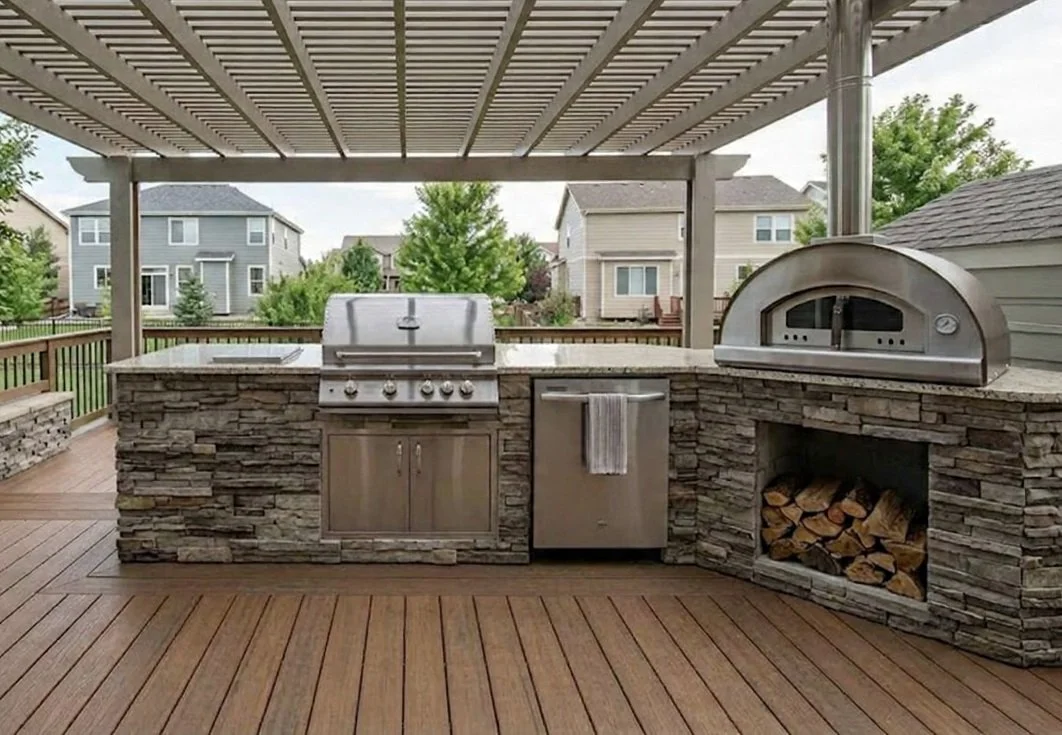
1. The Ultimate Outdoor Kitchen
Why run back and forth to the house when you can bring the heart of your home outside? An outdoor kitchen is the ultimate game-changer for summer entertaining. Whether you want a simple built-in grill station with prep space or a fully loaded setup complete with a mini fridge, sink, and pizza oven, an outdoor kitchen ensures you never miss a moment of the party. It is the perfect way to take full advantage of our beautiful but fleeting Up North summers.

2. Multi-Level Decking for Distinct Zones
If you have a larger property or a sloped yard, a multi-level deck is a fantastic way to maximize your usable space while adding architectural interest. By creating different tiers, you naturally define distinct "rooms" within your outdoor living area. Imagine a dedicated upper level for dining and grilling, seamlessly stepping down to a cozy, sunken lounge area built around a fire pit. It is a brilliant way to break up a massive deck and create intimate gathering spots.
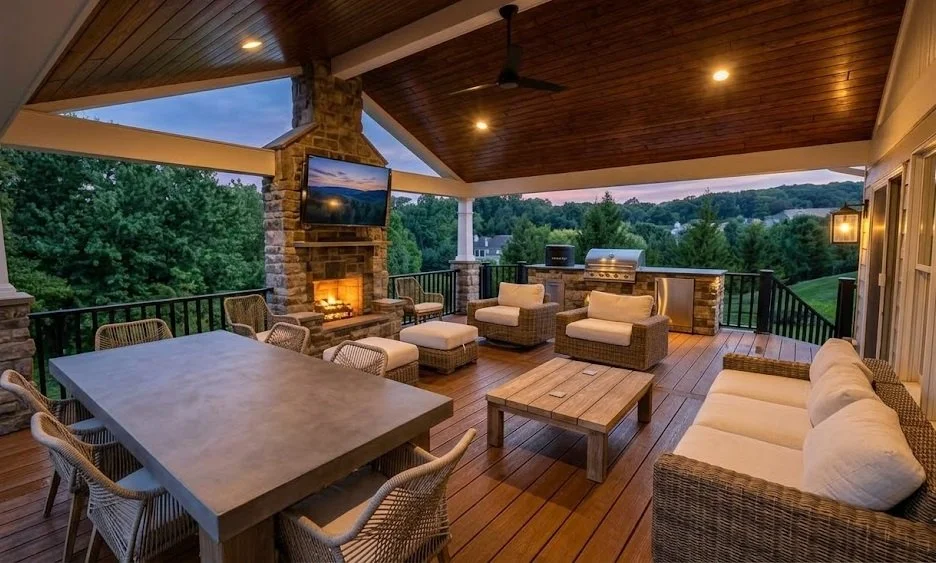
3. The All-Weather Covered Deck
Don't let a blazing afternoon sun or a sudden rain shower drive you indoors. Adding a roof or a solid pergola structure over a portion of your deck provides a sheltered oasis that drastically extends your outdoor season. A covered deck allows you to enjoy your morning coffee during a gentle spring rain or watch the autumn leaves fall in total comfort. Add a ceiling fan for a cool summer breeze, and you have an outdoor living room you can use almost year-round.
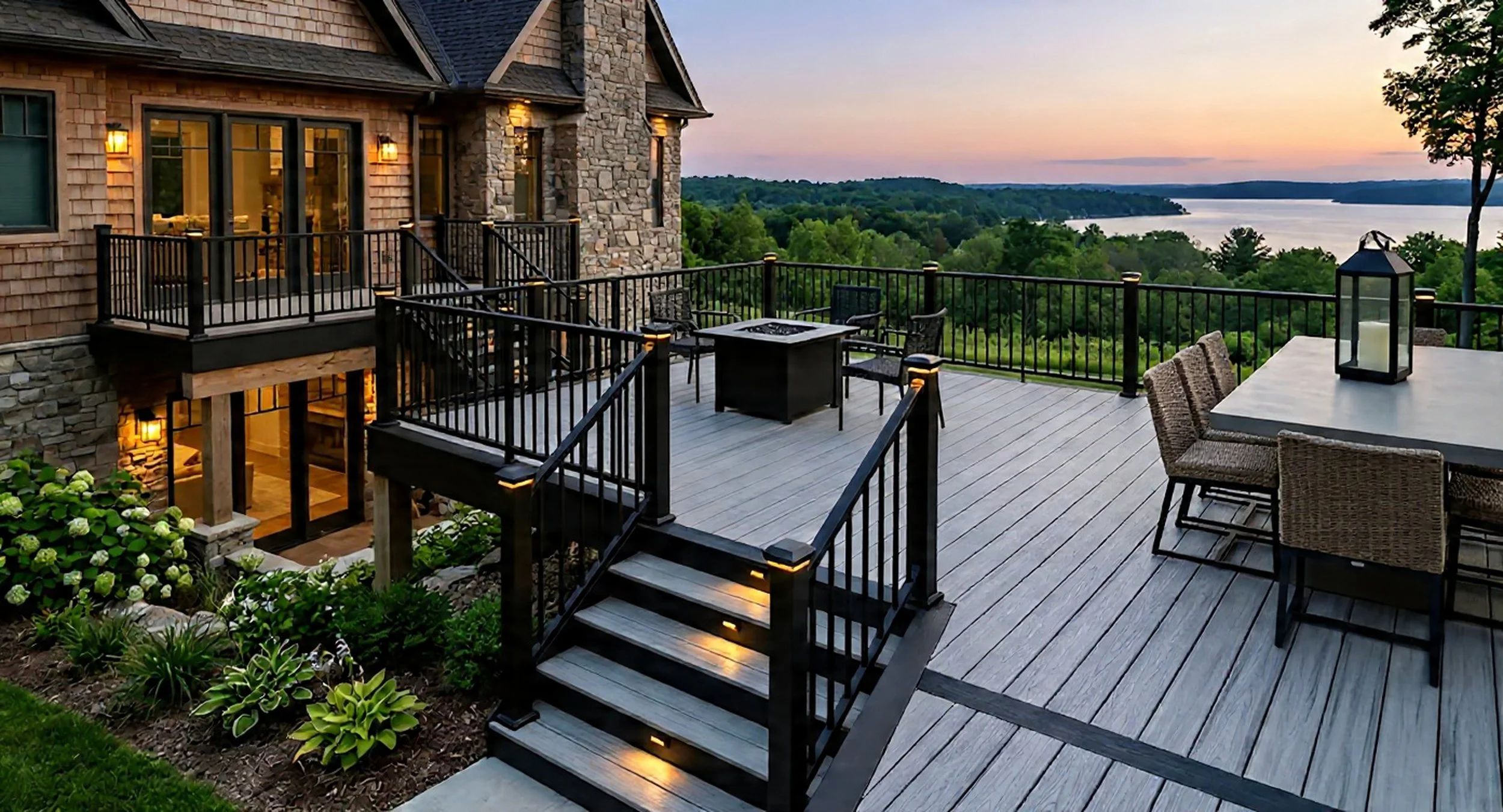
4. Modern Contrast with Black Trim
If you are looking to elevate your deck's aesthetic and give it a highly customized feel, incorporate black trim. Swapping out traditional wood railings for sleek, black metal balusters or using black fascia boards creates a striking, modern contrast against the warm tones of natural wood or composite decking. It is a sophisticated design choice that frames your outdoor space beautifully without obstructing your view of the backyard or the bay.
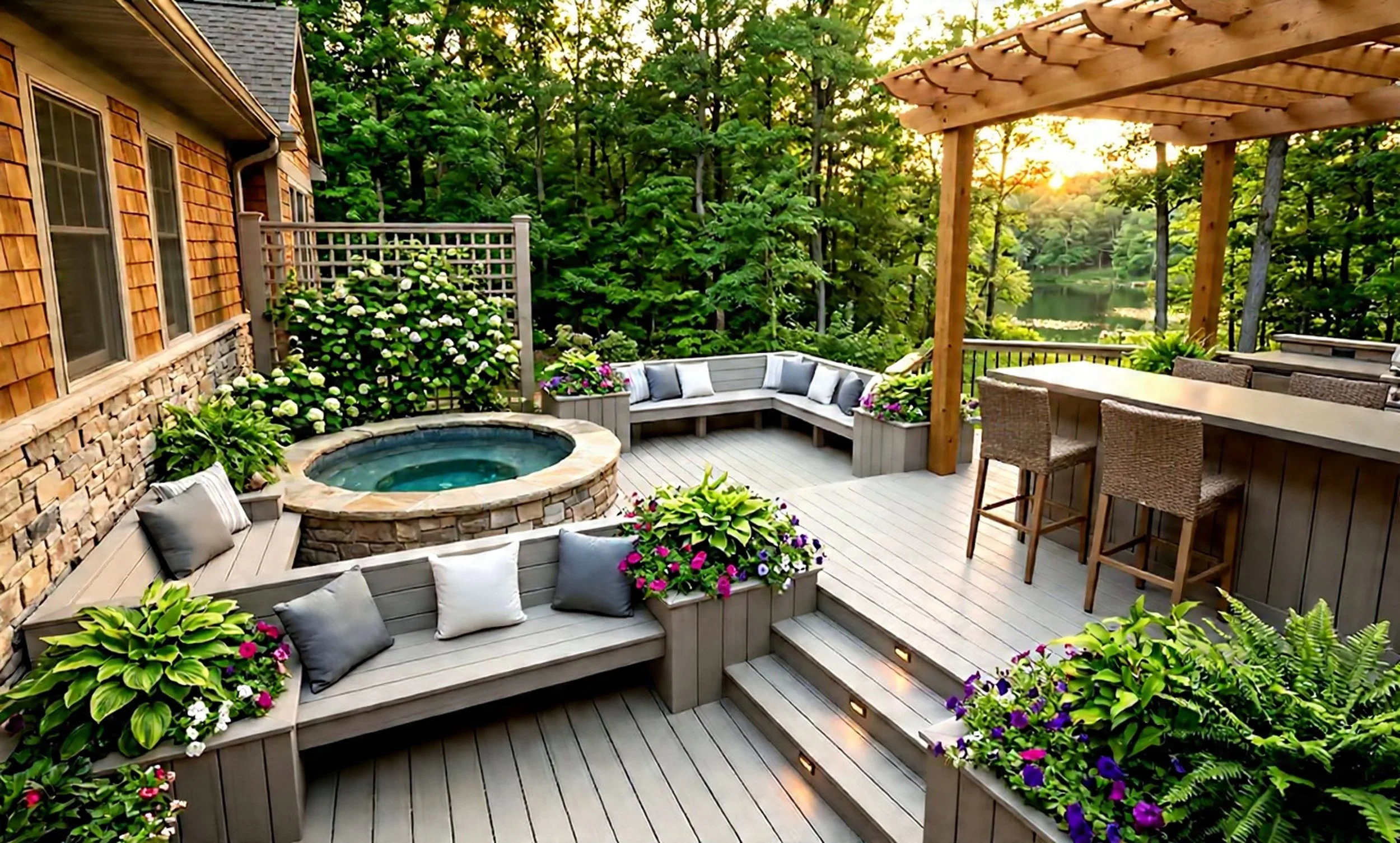
5. Seamlessly Integrated Hot Tubs
Transform your backyard into a personal wellness retreat by integrating a hot tub directly into your deck design. Rather than dropping the spa so it sits completely flush - which can actually make it a bit awkward to climb in and out of - consider a partially recessed approach. By building the deck around the tub so it rests just a couple of feet above the surface, you create a stunning architectural focal point. You can finish the exposed sides with custom stonework or built-in wrap-around bench seating, making it effortless to slide right in after a long day exploring Northern Michigan. Pro-Tip: Water is heavy! If you are planning this feature, make sure to let your builder know early on so the deck's foundation can be engineered to safely support the massive weight of a filled spa.
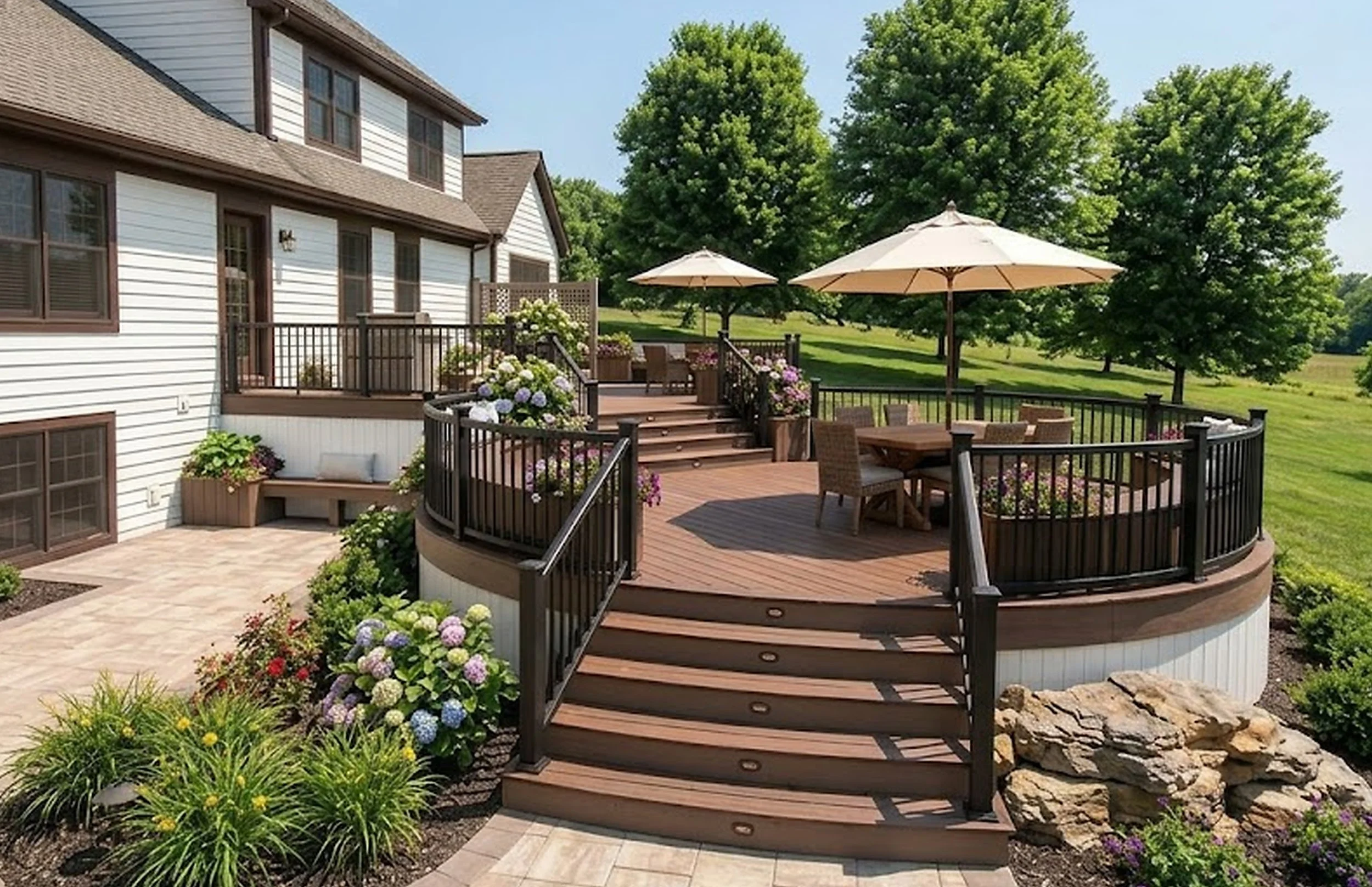
6. Embrace the curve
Who says a deck has to be a standard rectangle? Break away from the ordinary by incorporating sweeping curves into your design. Curved decks soften the harsh, straight lines of your home's exterior and allow the structure to blend much more organically with your natural landscaping. Thanks to the flexibility of modern composite decking materials, builders can heat and bend boards to create beautiful, custom, flowing shapes that truly make your outdoor space unique.
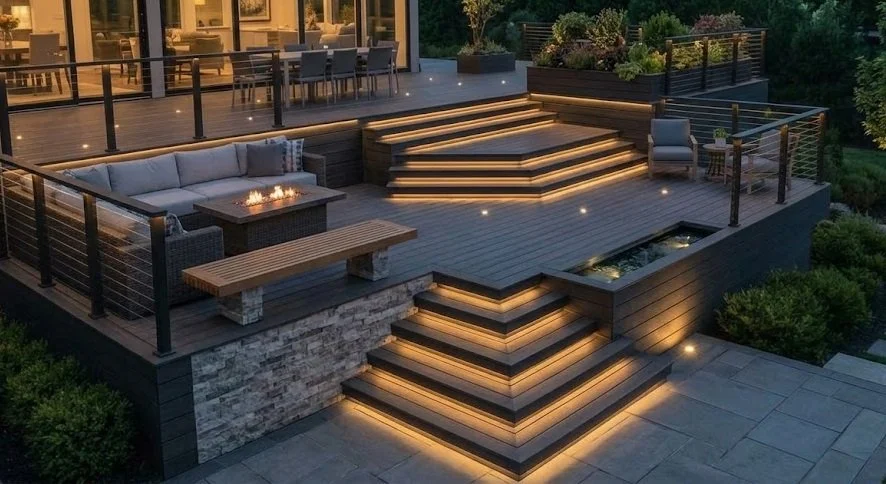
7. Ambiance and Safety with Integrated Lighting
The fun shouldn't have to stop just because the sun goes down. Integrated deck lighting is a must-have feature that serves two vital purposes: setting the mood and keeping your family safe. Flush-mounted lights on the stair risers prevent tripping hazards in the dark, while subtly illuminated post caps and under-rail lighting cast a warm, inviting glow over the entire space. It is the perfect finishing touch for long summer nights spent enjoying the fresh air.
The Ultimate Northern Michigan Mudroom: 5 Must-Have Features for Your Next Remodel
If you're tired of tripping over wet boots and overflowing coat racks, a dedicated mudroom renovation offers one of the highest returns on your daily quality of life. Check out the top 5 must-have features we recommend for Traverse City homeowners.
Between heavy winter snowfall, muddy spring thaws, and sandy summer days at the lake, living "Up North" means experiencing all four seasons in all their messy glory. For homeowners in the Traverse City area, a highly functional entryway isn't just a luxury, it’s the frontline defense for keeping the rest of your home clean, organized, and stress-free.
If you’re tired of tripping over wet boots and overflowing coat racks, investing in a dedicated mudroom renovation offers one of the highest returns on your daily quality of life. Here are five high-impact features to consider for your ultimate mudroom remodel.
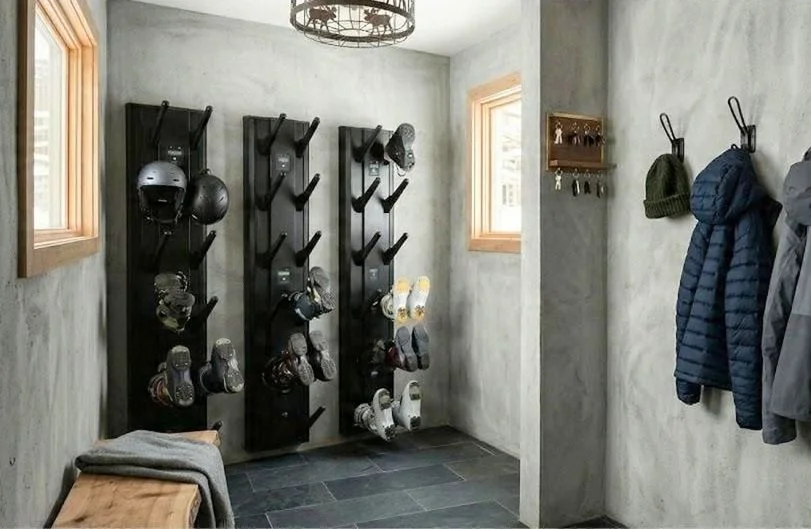
1. Built-In Electric Boot Dryers
Say goodbye to stuffing newspapers into soggy snow boots. For families that spend their winters on the ski slopes or snowmobile trails, integrating commercial-grade electric drying racks directly into your mudroom design is an absolute game-changer. These wall-mounted, heated pegs actively circulate air through heavy boots and thick winter gloves, ensuring your gear is warm, dry, and ready for the next adventure while eliminating damp, musty smells from your home.
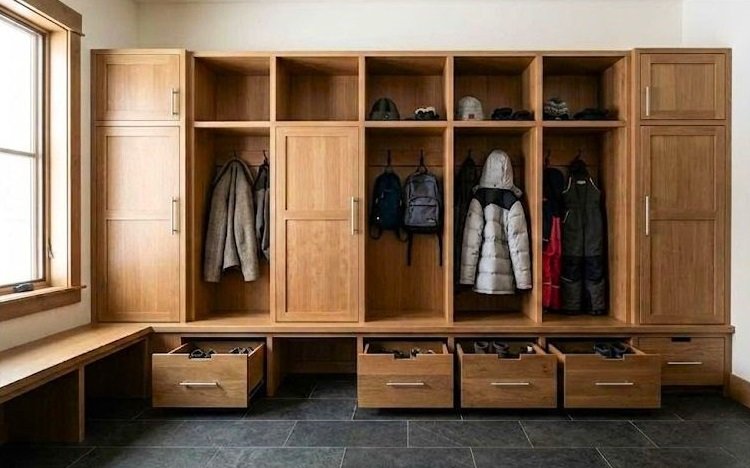
2. Custom Cubbies and Dedicated Storage
Chaos is the enemy of a good entryway. To maintain a clean aesthetic, we highly recommend upgrading from a standard coat closet to built-in, custom locker systems. By assigning a dedicated vertical cubby and heavy-duty hooks for each family member, every winter coat, backpack, and scarf gets a specific home. Pairing open lockers with closed upper cabinets and deep lower drawers allows you to hide away off-season gear while keeping everyday items easily accessible.
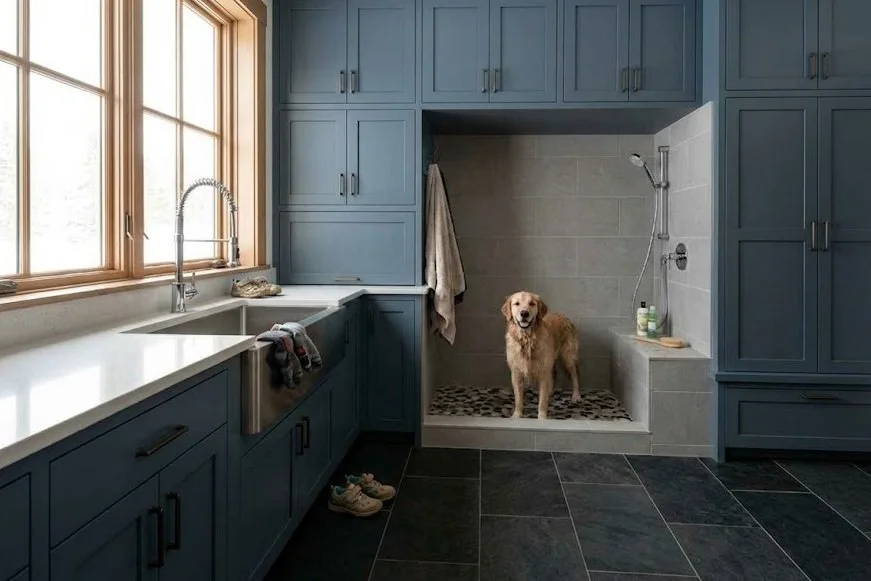
3. The Multi-Purpose Utility Sink & Pet Wash
For families that hike, boat, or have dogs, bringing plumbing into the mudroom is an incredibly smart upgrade. A deep, heavy-duty utility sink is perfect for soaking stained clothes or rinsing off sandy beach toys before they ever cross the threshold. For a truly high-end renovation, building a small, floor-level tiled pet wash station allows you to easily rinse off muddy paws after a trail run, saving your hardwood floors and furniture from the mess.
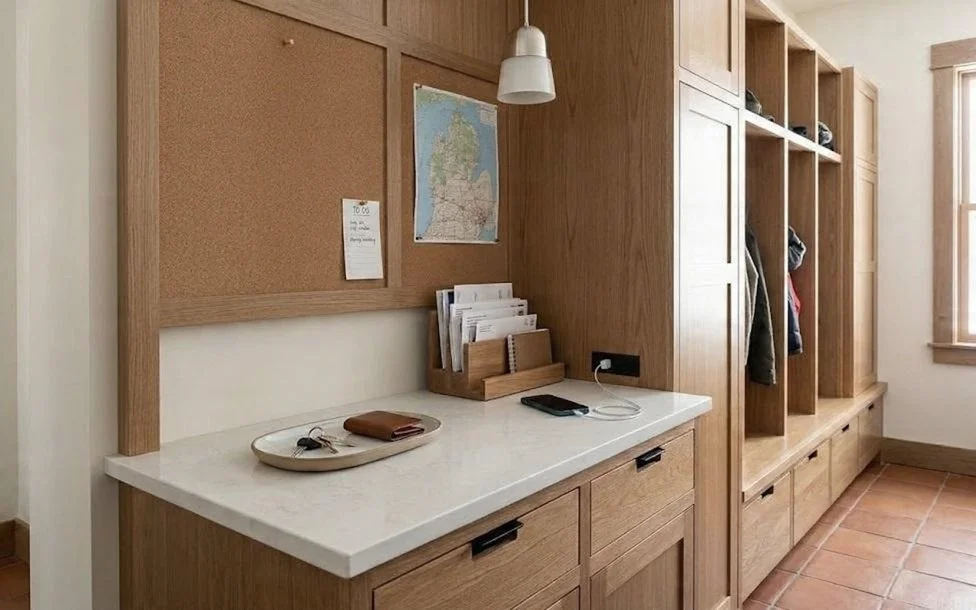
4. The "Drop Zone" Command Center
A mudroom acts as the transitional space between the outside world and the sanctuary of your home. Building a dedicated "drop zone", a small section of durable quartz countertop integrated with your cabinetry, gives you a designated spot to empty your pockets the second you walk through the door. It’s the perfect place to drop your car keys, sort the mail, and plug your smartphone into a built-in charging outlet, effectively keeping that everyday visual clutter off your kitchen island.
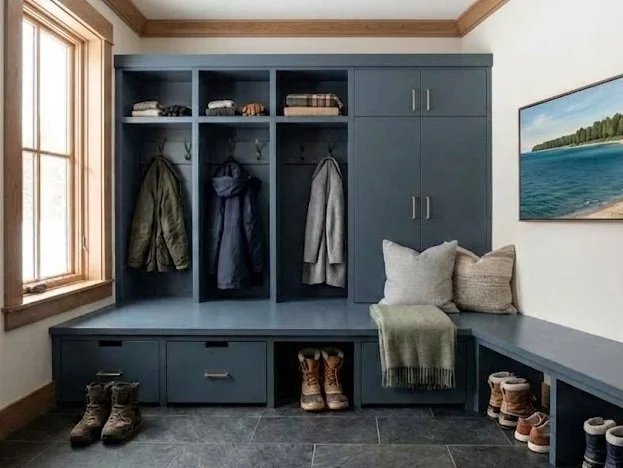
5. Sturdy Built-in Bench Seating
Nobody wants to hop around on one foot while wrestling with heavy winter boots. A sturdy, built-in wooden bench is a non-negotiable structural element for a modern mudroom layout. Whether tucked under a window or built into a corner layout, a wide seating area provides a comfortable place to sit and transition inside. To maximize your square footage, the space directly beneath the bench can be optimized with deep pull-out drawers specifically sized for bulky footwear.
Ready to reclaim your entryway? If you're ready to stop the seasonal mess at the door and add beautiful, functional value to your home, Traverse City Building Repair is here to help. Give us a call to start planning your custom mudroom renovation!
6 Kitchen trends for 2026
The sterile, all-white kitchen is officially out. Discover the top 6 kitchen remodeling trends dominating Traverse City in 2026, and learn how homeowners are blending cozy, warm aesthetics with hyper-functional design.
If the kitchen is the heart of the home, 2026 is the year we are giving it a major pulse check. Here in Northern Michigan, our kitchens see it all; from warming up after a long day on the ski slopes to prepping massive family dinners during the summer cherry season. As how we use our homes continues to evolve, so do the design choices we make.
We’re seeing a distinct shift in what homeowners are requesting for their kitchen remodels this year. The era of the sterile, high-maintenance kitchen is officially behind us. Today, it’s all about blending cozy, personalized aesthetics with hyper-functional, easy-to-clean designs.
If you are planning a kitchen renovation this year, here are the top six trends dominating the remodeling scene, and exactly why homeowners can't get enough of them.
1. Modern Light Fixtures as Statement Pieces
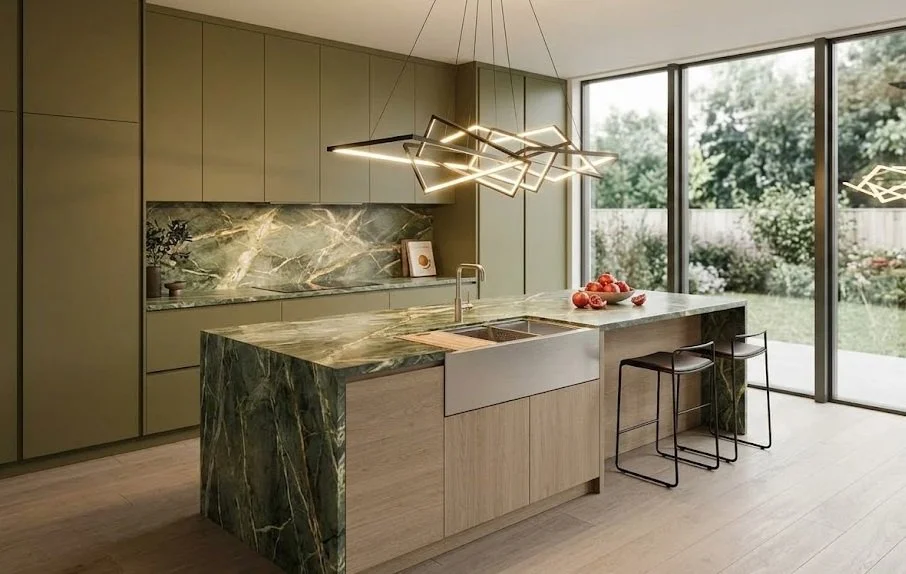
Gone are the days when a single, flush-mount ceiling light and a basic sink lamp were considered "good enough." In 2026, lighting is no longer just functional; it is the jewelry of the kitchen. Why homeowners want it: Modern, oversized pendants and sleek linear chandeliers draw the eye and instantly elevate the room's design. More importantly, homeowners are asking for layered lighting. By combining striking modern fixtures over the island with hidden under-cabinet task lighting, you create a space that is brightly illuminated for chopping vegetables but can easily transition into a moody, softly lit space for evening entertaining.
2. Glass Cabinet Doors
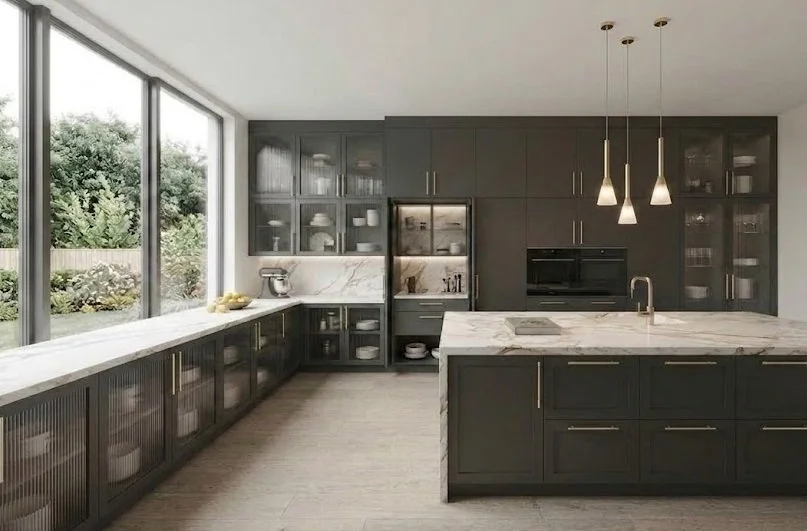
Solid walls of upper cabinetry can sometimes make a kitchen feel heavy and closed off, especially in smaller, older homes. The solution? Strategic placement of glass-front cabinet doors. Why homeowners want it: Glass doors instantly break up the visual bulk of heavy wooden cabinets, making the entire kitchen feel larger, brighter, and more breathable. It also provides a dedicated, dust-free space for homeowners to display their favorite heirloom dishes, colorful glassware, or local pottery, adding a layer of personality to the room.
3. The Uncompromising Demand for Storage Space
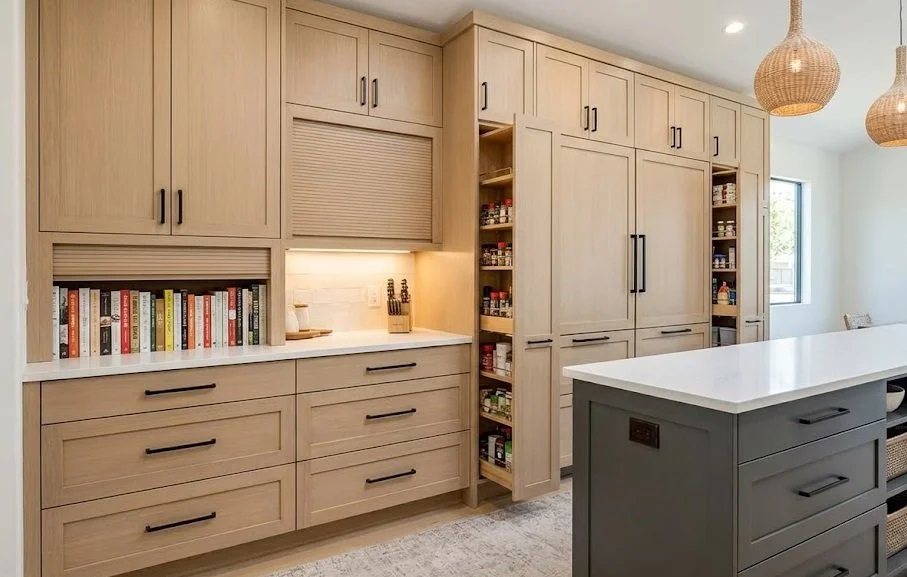
If there is one absolute truth in kitchen remodeling, it’s that you can never have enough storage. Homeowners are completely rejecting the idea of cluttered countertops covered in air fryers, blenders, and mail. Why homeowners want it: Peace of mind. An uncluttered space is a relaxing space. We are building massive walk-in pantries, deep pull-out drawers for heavy pots and pans (replacing annoying lower cabinets you have to dig through), and dedicated "appliance garages" to hide everyday tools. Maximizing hidden storage ensures the beautiful finishes of your new kitchen take center stage, not your toaster.
4. Warm Kitchen Tones Are Back in Fashion
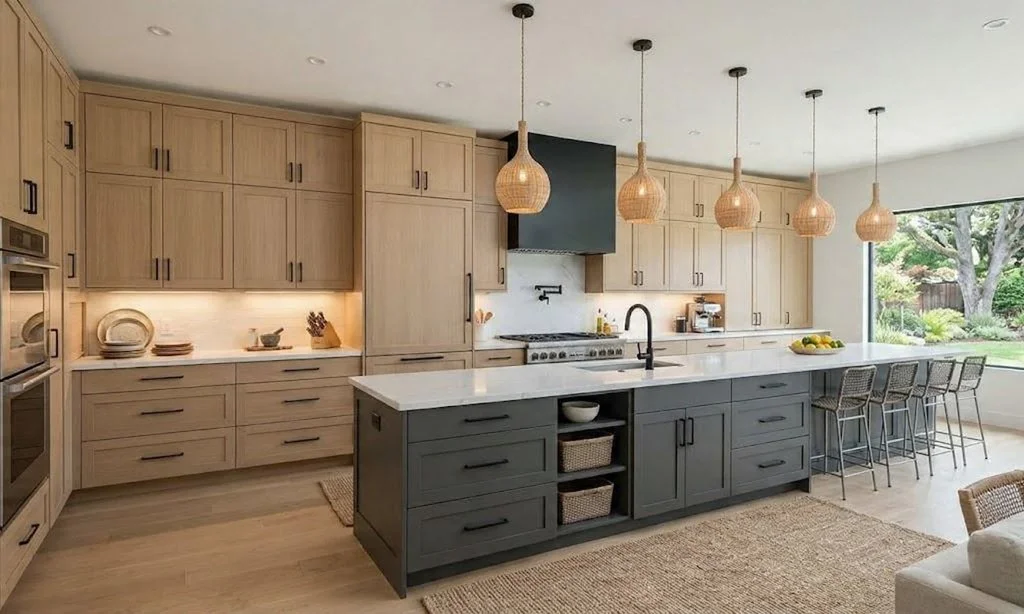
For the last decade, the stark, all-white kitchen with cool gray accents was the undisputed king of design. In 2026, the pendulum has swung back to warmth. Why homeowners want it: People want their homes to feel inviting, grounded, and cozy—especially during our long Northern Michigan winters. We are seeing a massive surge in creamy whites, mushroom and taupe tones, and a return to natural, stained wood cabinetry like white oak or rich walnut. These earthy, warm tones make the kitchen feel like a natural extension of the beautiful "Up North" outdoors rather than a sterile laboratory.
5. The Shift Toward Flat-Panel Cabinet Doors
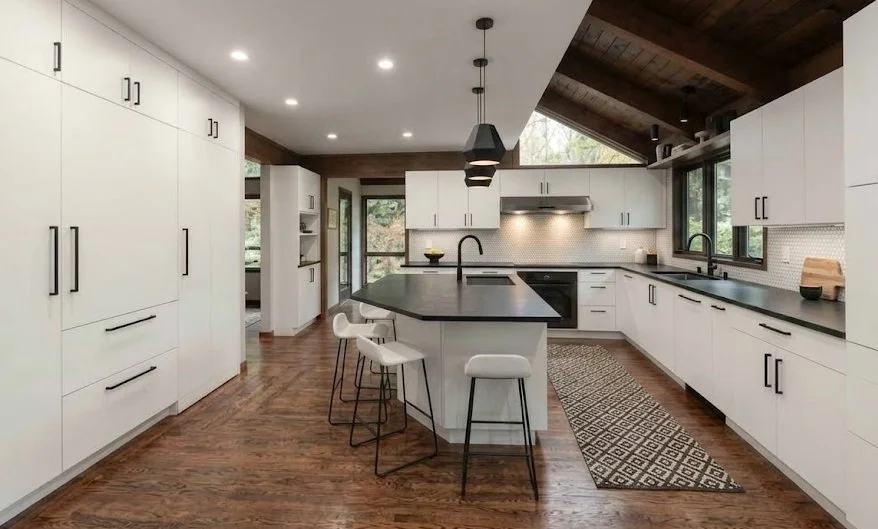
While traditional shaker-style cabinets are still popular, there is a rapidly growing demand for flat-panel (or "slab") cabinet doors. Why homeowners want it: It all comes down to maintenance and modern elegance. Flat-panel doors offer a sleek, seamless, and uncluttered look that pairs perfectly with warm woods and bold countertops. More practically, without the recessed panels and decorative grooves of traditional doors, there is nowhere for cooking grease, dust, and grime to hide. They are incredibly easy to wipe down, giving you back your weekend cleaning time.
6. High-Contrast Backsplash Colors
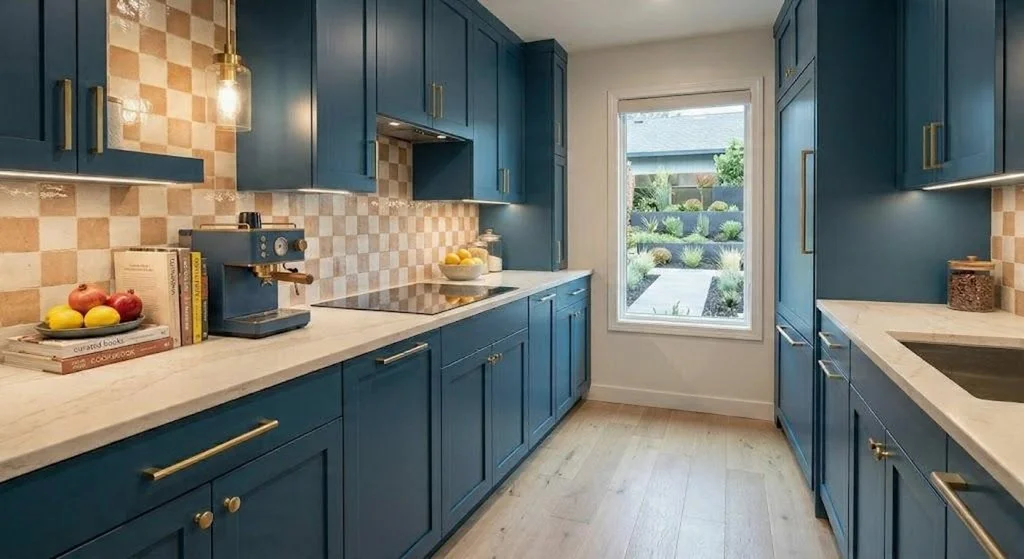
Since cabinetry is trending toward warmer, more neutral, and natural tones, homeowners are looking elsewhere to inject a pop of personality. Enter the high-contrast backsplash. Why homeowners want it: Instead of blending into the background with basic white subway tile, the backsplash is becoming the focal point. Homeowners are opting for rich, saturated colors like deep forest greens, moody navy blues, or bold, textured terracotta tiles. Placed against warm wood or creamy cabinets, a contrasting backsplash adds incredible depth, drama, and custom flair to the kitchen without overwhelming the entire space.
Ready to Transform Your Kitchen?
A kitchen remodel is a massive undertaking, but living with an outdated, cramped, or dysfunctional space is a daily frustration you don't have to settle for. Whether you want to tear down walls for an open concept, upgrade to sleek flat-panel cabinets, or finally get the storage you deserve, having a trusted local professional makes all the difference.
At Traverse City Building Repair, we handle everything from the structural layout to the final installation of those modern light fixtures. Let’s build the kitchen your home deserves.
Give us a call at 231-995-9984 to schedule your consultation today!
Design Ideas for Your Bathroom Renovation in Northern Michigan: Layouts, Fixtures, and Trends
Planning a bathroom remodel in Northern Michigan? Discover top structural design trends like wet rooms, curbless showers, & radiant heating from expert builders.
When most people start dreaming about a bathroom remodel, their minds immediately go to cosmetic details: the color of the paint, the pattern on the towels, or the style of the mirrors.
But as experienced builders here at Traverse City Building Repair, we know that a truly successful bathroom renovation goes much deeper than surface-level decor. The most beautiful paint job in the world cannot fix a cramped layout, poor ventilation, or an outdated shower that leaks.
If you want a bathroom that fundamentally improves how you use your space, whether you are prepping for a busy summer with out-of-town guests or creating a cozy winter retreat, you need to think structurally. Here are the top construction-focused design ideas and layout trends we are building into Northern Michigan homes right now.
1. The "Wet Room" Layout
If you are dealing with a standard, compartmentalized master bathroom, the "wet room" concept is an incredible way to maximize your footprint.
A wet room removes the traditional barriers between your shower and the rest of the bathing area, often placing a tub inside a large, glass-enclosed shower space.
The Construction Benefit: This layout consolidates the areas of the bathroom that need heavy-duty waterproofing.

2. Zero-Threshold (Curbless) Showers
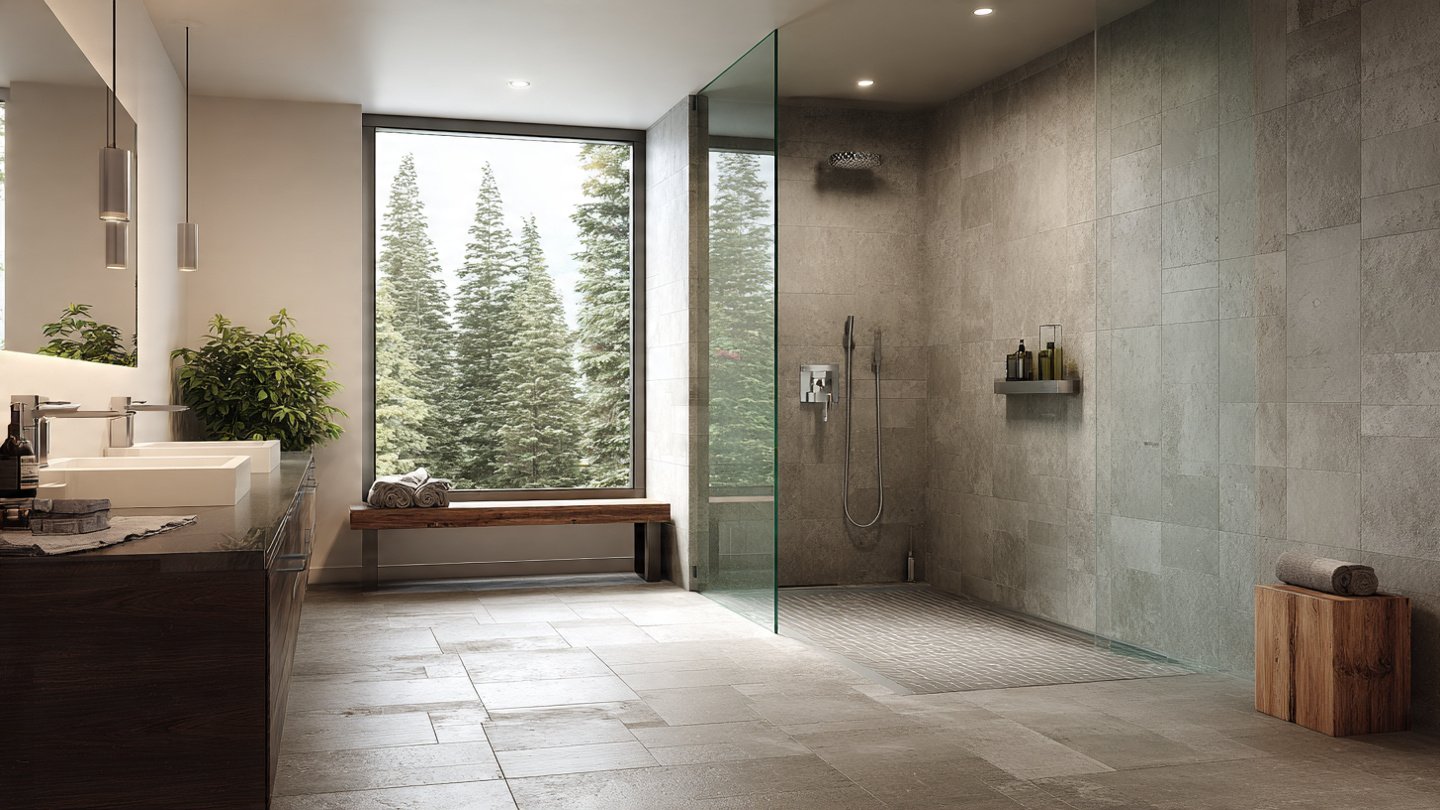
Stepping over a high bathtub wall or a bulky shower curb is becoming a thing of the past. Zero-threshold showers offer a seamless, unbroken transition from the main bathroom floor straight into the shower.
Universal Design: Also known as "aging in place" design, curbless showers are structurally safer, removing major tripping hazards.
Visual Space: Running the same continuous tile floor straight into the shower makes the entire room feel significantly larger.
3. High-Tech and High-Efficiency Fixtures
Upgrading your plumbing fixtures isn't just about picking a shiny new faucet; it’s about modernizing the hidden infrastructure of your home.
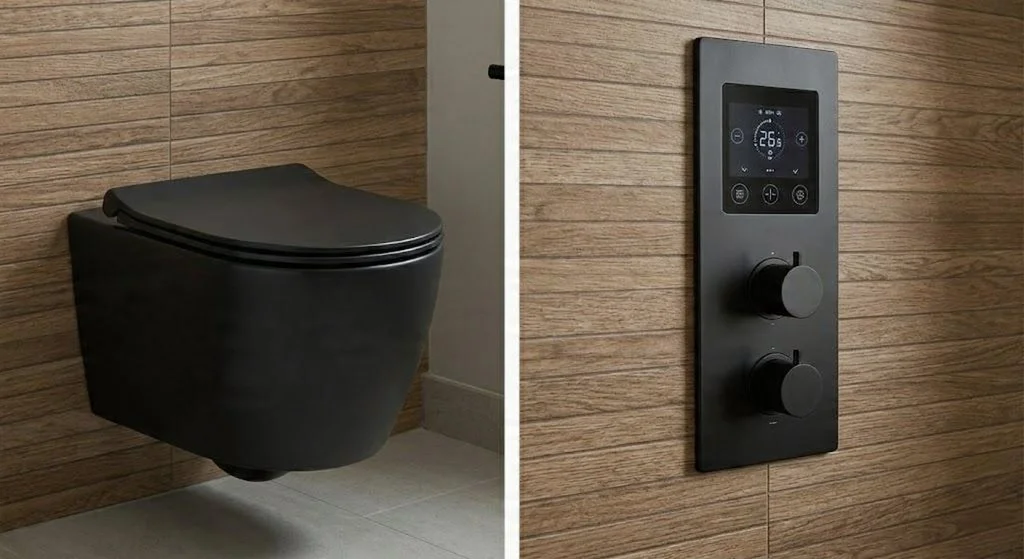
Wall-Mounted Toilets: A major trend for modern bathrooms is the floating toilet. The tank is completely hidden behind the drywall, saving precious square footage. Installing this requires us to open the walls and install a heavy-duty steel carrier system directly to the studs to support the weight.
Smart Shower Systems: We are frequently rerouting plumbing lines to accommodate digital shower valves, which allow you to control water temperature, steam, and multiple showerheads from a digital keypad.
4. Expanding Natural Light (Without Sacrificing Privacy)
Many older Traverse City bathrooms suffer from feeling like dark, damp caves. While upgrading light fixtures helps, altering the physical structure to allow natural light in is a game-changer.
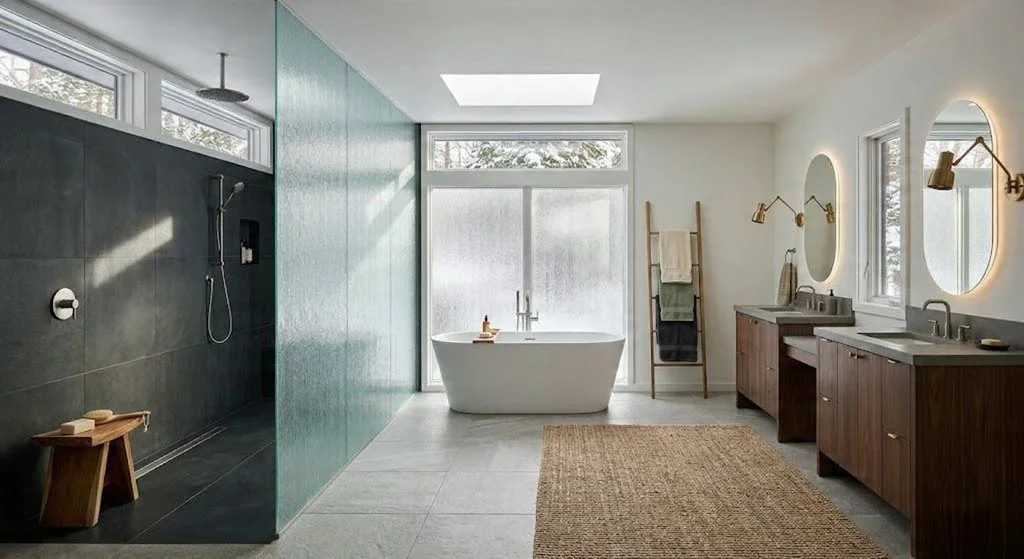
Transom Windows: Adding short, wide windows high up near the ceiling line allows sunlight to pour in while maintaining total privacy from the neighbors.
Skylights and Sun Tunnels: If your bathroom is on the top floor, cutting through the ceiling and roof to add a skylight is one of the most effective ways to open up the room. Because we are experts in both interior remodeling and exterior repair, we ensure the roof penetration is flawlessly sealed against heavy winter snow loads.
5. Radiant In-Floor Heating
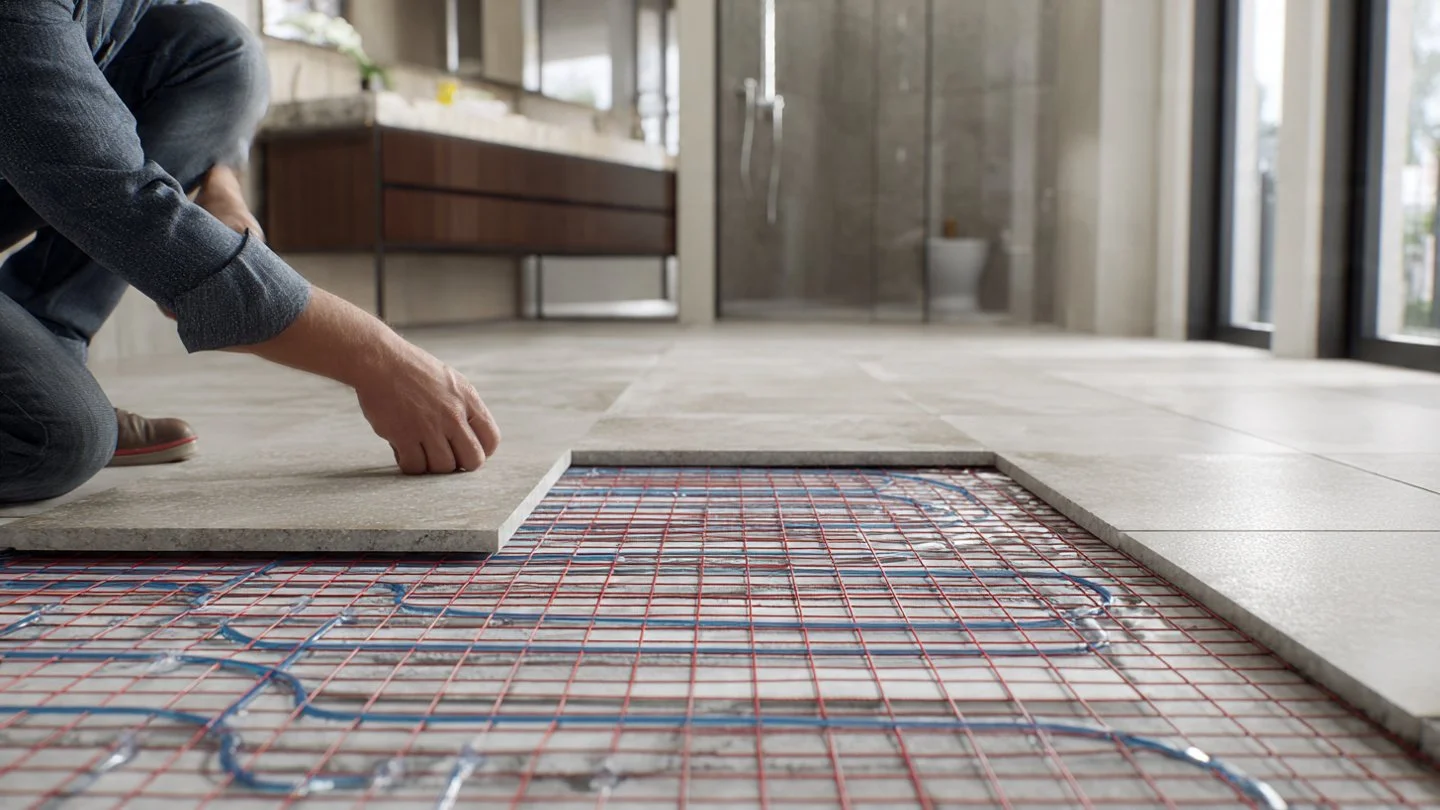
Nobody likes stepping onto ice-cold tile during a Northern Michigan January. If you are tearing up your bathroom floor for a remodel, radiant heating is the ultimate structural upgrade.
Before we lay down your new porcelain or stone tile, we install specialized electric heating mats or hydronic tubes directly into the subfloor. It is an energy-efficient way to heat the room from the ground up, keeping your space dry and your feet warm all winter long.
6. The Return of the Built-In: Undermount Bathtubs
For the last decade, large, sculptural freestanding tubs have dominated design magazines. However, we are seeing a major shift back to functionality. Homeowners are realizing that freestanding tubs lack space to set down a book, a candle, or bath products, and cleaning the dust and water that collects behind them can be a nightmare.
Enter the custom undermount bathtub.
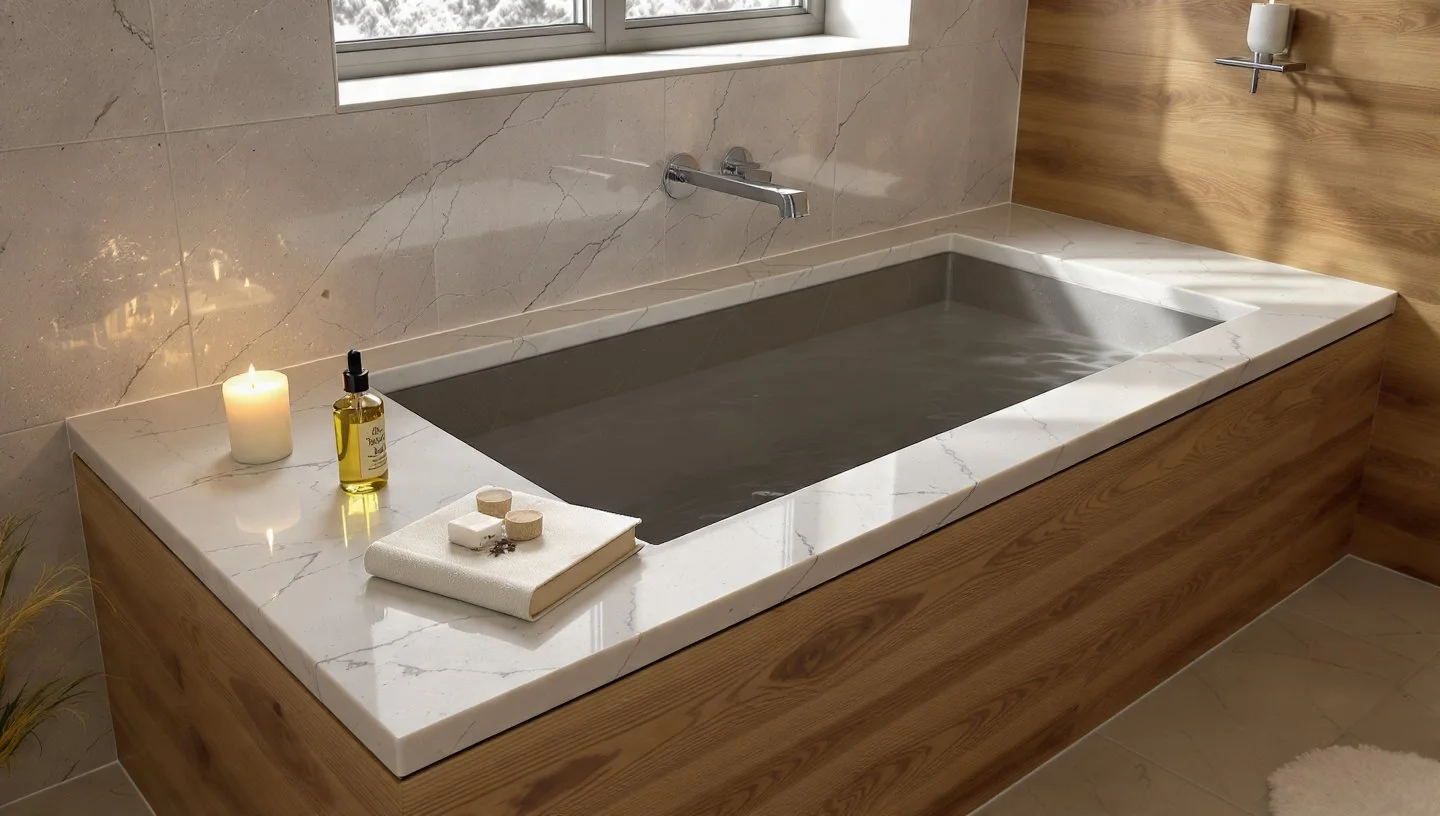
Instead of sitting on top of the floor, the tub is installed beneath a custom-built frame and capped with a solid surface deck—often using the same quartz or natural stone as the bathroom vanity.
Seamless Functionality: The stone deck provides ample, sturdy space for all your bath-time necessities and creates a sleek, unbroken surface that is incredibly easy to wipe down.
7. Purpose-Built Enclosed Shower Rooms
For years, the fully frameless, all-glass shower cube was the peak of modern bathroom design. However, many homeowners are waking up to the daily reality of that trend: the painstaking, repetitive process of squeegeeing glass and fighting stubborn hard water stains.
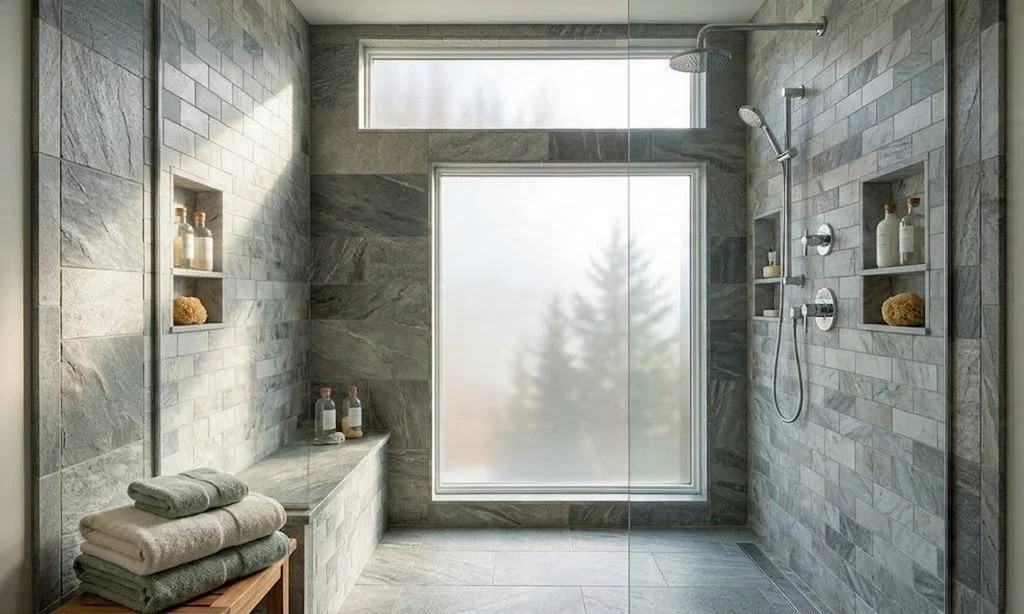
The trend is now shifting toward enclosed shower "rooms." Instead of transparent glass walls, the shower is structurally framed with solid walls, creating an incredibly private and luxurious sanctuary.
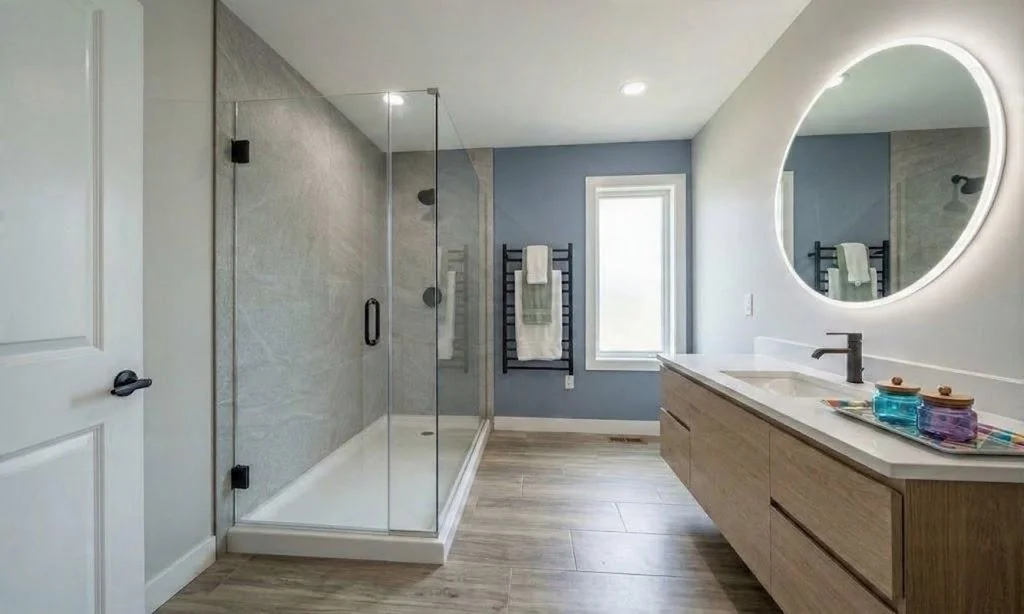
Low Maintenance: By swapping expansive glass panels for high-quality tile or stone walls, you drastically reduce your daily cleaning time and hide water spots.
Designing for Light: A solid-walled shower runs the risk of feeling like a dark cave if not planned correctly. To execute this properly, the structural design should ensure dedicated natural light access. Frame in a high transom window or a frosted privacy window directly inside the shower enclosure so the space remains bright, open, and inviting.
Ready to Rethink Your Bathroom’s Layout?
Rethinking the layout, plumbing, and structure of your bathroom is not a weekend DIY project. It requires pulling permits, understanding local building codes, and executing flawless craftsmanship.
At Traverse City Building Repair, we look past the paint colors. We focus on building rock-solid, beautifully functional spaces that add real value to your home.
Ready to discuss your bathroom’s hidden potential? Give us a call at 231-995-9984 or contact us through our website to schedule your consultation today.
Beat the Rush: Prepping Your Traverse City Short-Term Rental for Summer
The snow is melting and the busy summer tourist season is right around the corner! Before the Cherry Festival crowds arrive, make sure your short-term rental is ready for the rush. Discover the top high-ROI, durable upgrades you should make this spring to keep your property looking great and earning 5-star reviews all summer long.
The snow is finally melting, the days are getting longer, and here in Traverse City, that means one thing: the summer tourist season is right around the corner.
If you own an Airbnb, VRBO, or vacation rental in Northern Michigan, you already know that summer is your most critical window for revenue. But before the Cherry Festival crowds arrive and the beaches fill up, you have a brief window right now in the spring to get your property in top shape.
Vacationers can be incredibly tough on a house, and standard residential finishes simply won't cut it. You need a space that photographs beautifully to attract top-tier bookings, but is tough enough to withstand a revolving door of guests, sandy feet, and wet beach towels.
Here is how to upgrade your Traverse City rental property this spring for maximum durability and return on investment.
1. Flooring That Survives the Sand
This is the single most important upgrade you can make before summer hits. Between tracked-in sand from Sleeping Bear Dunes and wet gear from days spent on the bay, your floors take a beating.
Ditch the Carpet: Carpet traps sand, stains easily, and holds onto odors. If you must have carpet in the bedrooms, opt for low-pile, commercial-grade options.
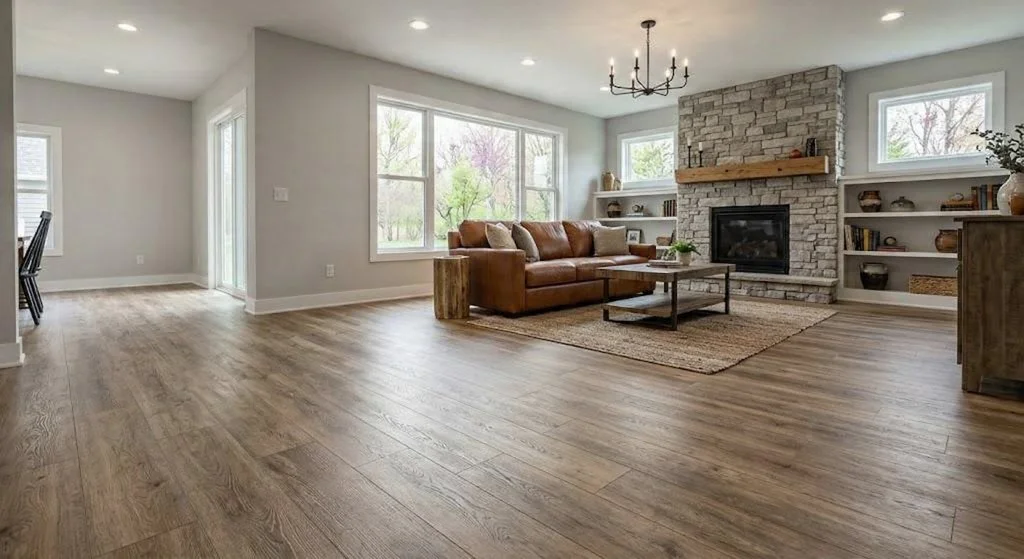
Embrace Luxury Vinyl Plank (LVP): LVP is the undisputed king of short-term rental flooring. It beautifully mimics the look of natural hardwood, but it is 100% waterproof and highly scratch-resistant (perfect for guests traveling with dogs). Getting this installed now means your floors will look pristine for your summer listing photos.
2. Indestructible Walls and Finishes
Luggage rolling down hallways and suitcases banging against corners will quickly leave your drywall looking battered. A spring refresh makes a huge difference in how clean your property feels.
Upgraded Paint: Don't skimp here. Use high-quality, scuff-resistant paint in an eggshell or satin finish so your cleaning crew can easily wipe away summer smudge marks without taking the paint off.
Wainscoting or Shiplap: Adding wainscoting, beadboard, or shiplap to high-traffic areas like entryways and mudrooms isn’t just a great way to add that desirable "Up North" charm—it physically protects your drywall from dings and dents.
3. Low-Maintenance Kitchens and Baths
Your guests expect a clean, modern aesthetic, but your cleaning crew needs surfaces that are quick and easy to sanitize during those tight, few-hour turnaround windows in July.
Countertops: Skip the porous natural stones like marble or high-maintenance granite. Quartz is non-porous, stain-resistant (even against spilled local wine), and looks incredibly high-end in photos.
Bathrooms: Avoid tiny mosaic tiles with heavy grout lines on shower floors—grout is notoriously difficult to keep bright white. Opt for large-format tiles or sleek, high-quality fiberglass surrounds. Most importantly, ensure you have high-powered exhaust fans to prevent mold and mildew from guests taking back-to-back showers.
4. The "Owner’s Closet" and Smart Storage
If you also use the property for your own family summer vacations, dedicated storage is a must.
Lock-Offs: Have us frame out a dedicated owner’s closet with a solid-core door and a heavy-duty deadbolt so you can safely leave your own beach chairs, paddleboards, and supplies on-site.
Built-in Organization: Guests rarely fully unpack. Instead of taking up space with bulky dressers, build in custom luggage racks, abundant wall hooks for wet towels and swimsuits, and open shelving.
Get Your Upgrades Done Before the Summer Rush!
Spring is the time to act. As the weather warms up, contractors' schedules fill up fast.
If you want to command top dollar for your rental this summer, you need these upgrades finished, cleaned up, and ready so you can get fresh, professional photos up on your listing before the booking frenzy reaches its peak.
Don't wait until May to start thinking about property improvements. Whether you need to replace your flooring, update a dated bathroom, or add custom storage, Traverse City Building Repair is here to help you get your investment property ready for the season.
Give us a call at 231-995-9984 or schedule a consultation today to get your project on the books!
Maximizing Your Up North Summer: Deck Repair, Upgrades, and Outdoor Living
Is your Northern Michigan deck ready for summer? Discover essential safety repairs and outdoor living upgrades with Traverse City Building Repair.
Here in Northern Michigan, we earn our summers. After months of shoveling driveways and navigating icy roads, the arrival of warm weather means one thing: we want to spend every possible waking moment outside.
Whether it’s hosting a neighborhood barbecue, sipping morning coffee while listening to the birds, or unwinding with a glass of local wine as the sun sets, your deck is the launchpad for your summer lifestyle. But before you pull out the patio furniture and fire up the grill, it’s crucial to make sure your outdoor living space actually survived the winter.
Heavy snow loads, freezing rain, and extreme temperature fluctuations can wreak havoc on exterior structures. At Traverse City Building Repair, we see it every spring. Here is what you need to know about getting your deck ready for the season, from essential safety repairs to the ultimate lifestyle upgrades.
1. The Post-Winter Safety Inspection
Before worrying about stains or furniture, you need to check the structural integrity of your deck. Wood and moisture are a volatile combination, and the freeze-thaw cycle of a Northern Michigan winter can cause significant shifting.
Check the Ledger Board: This is where the deck attaches to your house. It is the most critical structural connection and a common failure point if water gets behind it.
Inspect the Posts and Joists: Look underneath the deck for any signs of sagging, severe cracking in the support posts, or wood rot where the wood meets the concrete footings.
Look for Popped Fasteners: As wood expands and contracts with the weather, it can force nails and screws to pop up, creating tripping hazards and loosening boards.
2. Repair vs. Replace: Assessing the Decking
If the underlying structure is sound, it’s time to look at the surface. Are your boards splintering, warping, or covered in soft, rotting spots?
If the damage is minor, a good power wash, some targeted sanding, and a fresh coat of high-quality sealant might be all you need. However, if the wood is consistently rotting or requiring constant maintenance year after year, it might be time to replace the decking material altogether. Upgrading to modern composite decking is a highly popular choice for Traverse City homeowners because it easily withstands our harsh winters without the need for annual staining and sealing.
3. Upgrading for Aesthetics and Function
If you are already doing repairs or replacing boards, it is the perfect time to rethink how your deck functions. A deck shouldn't just be a wooden square attached to your back door; it should be a well designed extension of your living room.
Update Your Railings: Swapping out bulky, dated wooden balusters for sleek cable railing or glass panels can instantly modernize your home's exterior and open up your views of the woods or the water.
Add Built-in Features: Consider adding built-in bench seating to maximize space, or custom planter boxes to integrate landscaping directly into your outdoor living area.
4. Creating the Ultimate "Up North" Oasis
To truly maximize our short summers, you want a space that transitions seamlessly from sunny afternoons to chilly evenings.
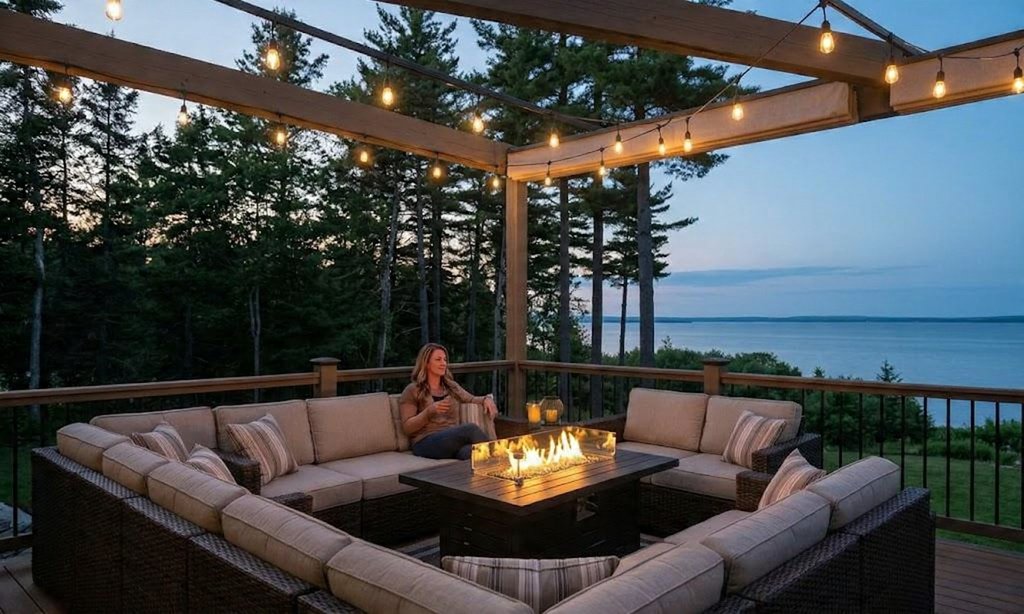
Shade and Shelter: Adding a custom pergola or a covered awning provides essential relief from the mid-day sun and allows you to enjoy the outdoors even during a light summer rain.
Fire Features: Let's face it - even in July, Northern Michigan evenings can get brisk. Integrating a safe, custom fire pit area into your deck or patio design guarantees you'll use the space well into the crisp days of autumn.
Ready to Reclaim Your Backyard?
Summer in Traverse City goes by in the blink of an eye. Don't waste the best months of the year dealing with a dangerous, decaying, or dysfunctional deck. Whether you need critical structural repairs to ensure your family's safety or a complete redesign to create the ultimate outdoor entertaining space, Traverse City Building Repair is here to help.
Ready to bring your outdoor vision to life? Give us a call at 231-995-9984 or contact us online to schedule your exterior consultation today!
Top 5 Signs It’s Time for a Kitchen Remodel
Is your Northern Michigan kitchen feeling cramped or outdated? Discover the top 5 signs it's time for a kitchen remodel with Traverse City Building Repair.
Your kitchen is the undisputed heart of the home. Whether you're warming up after a long day on the ski slopes or prepping a massive dinner for out-of-town guests during the Cherry Festival, your kitchen sees a lot of action.
But what happens when the heart of your home starts skipping a beat? Over time, even the most well-loved kitchens begin to show their age. What started as a minor annoyance - like a sticky cabinet drawer or a severe lack of counter space - can eventually turn cooking from a joy into a chore. If you find yourself constantly bumping elbows, battling clutter, or apologizing for outdated appliances, a fresh coat of paint isn't going to cut it.
At Traverse City Building Repair, we’ve helped countless homeowners transform their cramped, outdated cooking spaces into functional, beautiful showpieces. But how do you know when it’s finally time to pull the trigger on a renovation? Here are the top five signs it’s time for a kitchen remodel.
1. Your Layout is Working Against You (The Broken Triangle)
If you find yourself treating your kitchen like an obstacle course just to make a pot of coffee, your layout is fundamentally flawed. Designers often talk about the "kitchen triangle" - the invisible line connecting your sink, stove, and refrigerator. If navigating between these three zones requires squeezing past an open dishwasher or asking someone to move out of the way, it’s time for a change. Many older homes in the Traverse City area feature closed-off, segmented kitchens that just don't fit today's open-concept lifestyle. A remodel allows you to knock down those restrictive walls and create a functional flow that actually makes sense for how you cook and entertain.
2. You Have Zero Prep Space or Storage
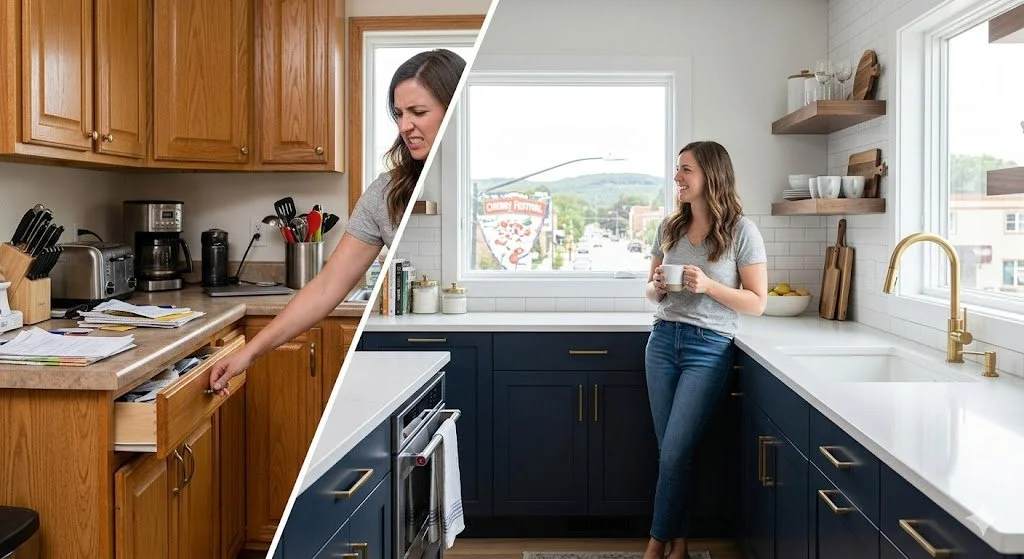
Are your countertops completely overrun with appliances, mail, and cooking utensils because your cabinets are bursting at the seams? A severe lack of storage and prep space is one of the biggest driving factors behind a kitchen remodel. When every meal feels like a puzzle trying to find a clear patch of counter space to chop vegetables, the joy of cooking quickly fades. Custom cabinetry, deep pull-out drawers, cleverly designed pantries, and the addition of a kitchen island can completely revolutionize your space, giving everything a proper home and keeping your counters clutter-free.
3. Your Fixtures and Finishes are Past Their Prime
Take a hard look at your kitchen's surfaces. Are you dealing with peeling cabinet veneers, cracked tile, stained laminate countertops, or a perpetually leaky faucet? Physical wear and tear is inevitable in a high-traffic room, but living with failing fixtures is a daily frustration. Upgrading to modern, durable materials—like solid wood cabinetry, beautiful quartz countertops, and high-efficiency plumbing fixtures—isn't just a cosmetic facelift; it’s an investment in the longevity and reliability of your home.
4. It’s Hard to Clean and Maintain
Deep cleaning your kitchen shouldn't consume your entire Saturday. As materials age, they become significantly harder to maintain. Old, porous laminate surfaces, deeply stained grout lines, and awkward crevices trap dirt, grease, and bacteria no matter how hard you scrub. Modern kitchen designs emphasize seamless surfaces, stain-resistant materials, and streamlined layouts that make cleanup a breeze. A remodeled kitchen gives you back your weekends, giving you more time to actually enjoy the beautiful Northern Michigan outdoors.
5. You’re Ready to Boost Your Home’s Value
It’s a well-known fact in real estate: kitchens sell houses. Even if you aren't planning to pack up and move out of Northern Michigan anytime soon, an outdated kitchen is dragging down your property value. Remodeling your kitchen yields one of the highest Returns on Investment (ROI) of any home improvement project. It’s a smart financial move that builds substantial equity in your home while allowing you to enjoy a beautiful, modern space in the meantime.
Ready to Transform Your Kitchen?
A remodel is a big step, but living with a dysfunctional kitchen is a daily frustration you don't have to settle for. From structural layout changes and drywall to the final installation of custom cabinets and trim, having a trusted local professional makes all the difference.
Ready to build the kitchen of your dreams? Give Traverse City Building Repair a call at 231-995-9984 or contact us online to schedule a consultation!
Unlocking Hidden Space: The Benefits of Finishing Your Traverse City Basement
Feeling cramped? Learn how finishing your basement can maximize space, boost your ROI, and create the ultimate winter den in Traverse City, MI.
Living in Northern Michigan means we spend a good portion of the year indoors. When the snow starts piling up outside, having a comfortable, spacious home becomes more important than ever.
If your family is feeling a little cramped, or if you find yourself wishing for an extra room but dreading the cost of a full home addition, the solution might be sitting right beneath your feet. Finishing your basement is one of the smartest, most cost-effective ways to unlock hidden space and transform how you live in your home.
Here is why finishing your basement is a premier home improvement project for Traverse City homeowners.
1. Maximize Usable Square Footage (Without Building Out)
Adding an extension to your home involves pouring new foundations, extending rooflines, and navigating complex zoning setbacks. A basement finish, however, utilizes the footprint you already have. You are simply taking raw, underutilized square footage and turning it into a functional living area. Depending on the size of your home, finishing the lower level can nearly double your usable space!
2. Create the Ultimate Cozy Winter Den
Let’s face it: Traverse City winters can be long. A finished basement is the perfect blank canvas to create a cozy, cold-weather retreat. Because basements are naturally insulated by the earth, they are incredibly easy to keep warm once properly finished and sealed.
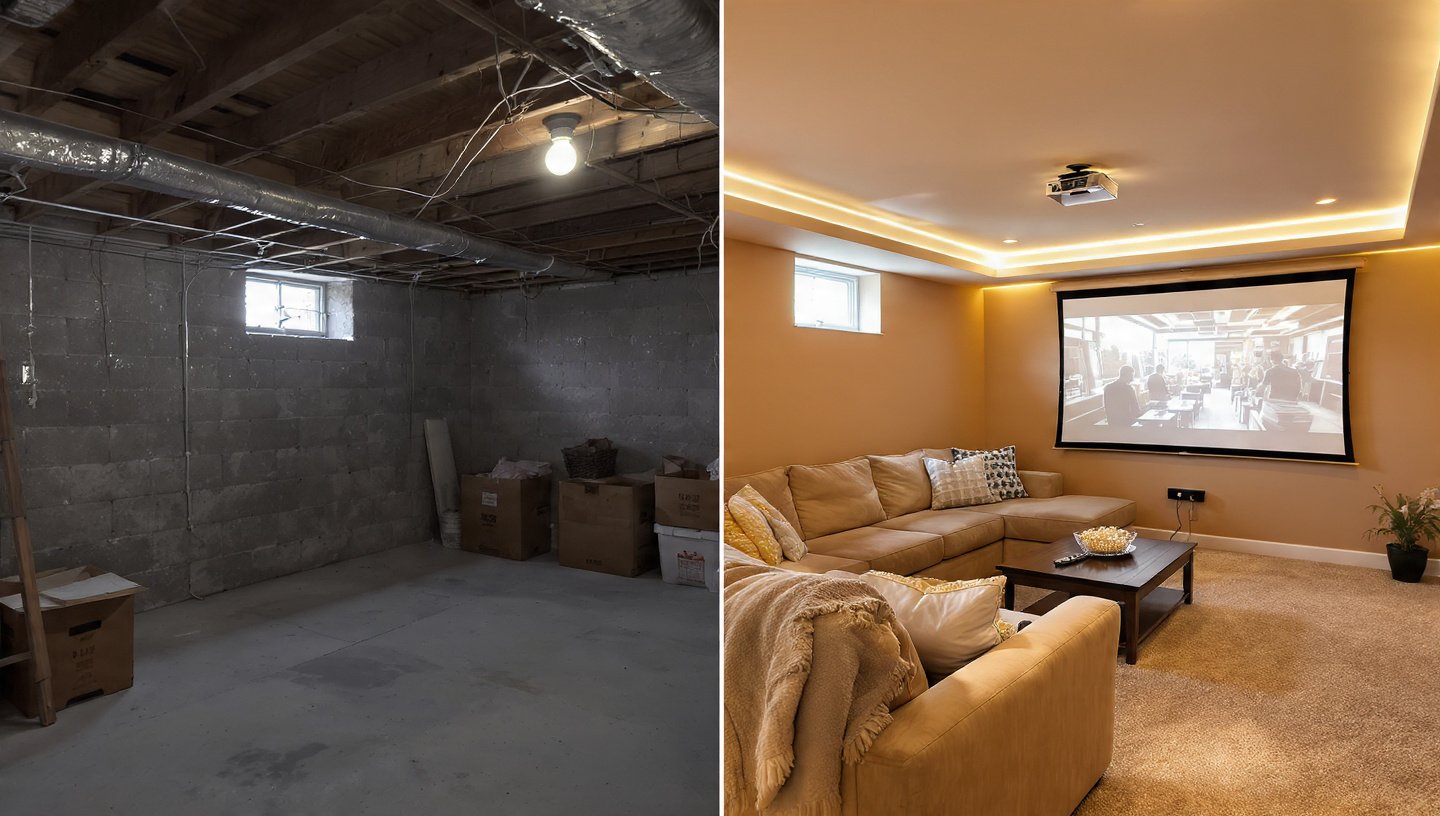
Home Theater: Create a dark, comfortable space for family movie nights.
Game Room: Finally have room for that pool table, dartboard, or a dedicated kids' playroom where the mess stays out of sight.
Hobby Space: Build out a quiet home office, craft room, or home gym.
3. Build a Private Guest Retreat
Traverse City is a destination town. Between the Cherry Festival, summer beach trips, and fall color tours, you likely get your fair share of out-of-town guests. Instead of forcing family and friends to sleep on an air mattress in the living room, a finished basement can provide a private, comfortable guest suite complete with its own bedroom and bathroom.
4. Boost Your Property Value
Finished basements offer a fantastic Return on Investment (ROI). If you ever decide to sell your home, buyers in the competitive Northern Michigan real estate market place a high premium on move-in-ready, finished lower levels. It makes your property stand out and directly increases your home's resale value.
5. Improve Your Home’s Efficiency and Health
An unfinished basement is often a source of drafts, moisture, and poor indoor air quality. As part of the finishing process, professional contractors will properly seal, insulate, and ventilate the space. This not only makes the basement comfortable but also helps regulate the temperature of the floors above it, potentially lowering your winter heating bills.
Ready to Transform Your Lower Level?
Finishing a basement is a major project that involves framing, electrical, plumbing, and drywall. Doing it right requires a professional touch to ensure the space is safe, up to code, and protected against moisture.
At Traverse City Building Repair, we specialize in transforming dark, damp basements into beautiful, functional living spaces. We can handle the entire process from custom design and layout to the final coat of paint.
If you're ready to unlock your home’s hidden potential, give us a call at 231-995-9984 or visit us at tcbrconstruction.com to schedule a consultation!
Post-Storm Checklist: What to Do After Wind or Hail Damage
Discover what to do after wind or hail damage with Traverse City Building Repair. Learn how to safely inspect your roof and document insurance claims.
Here in Traverse City, we know that the weather can turn on a dime. One minute you’re enjoying a beautiful afternoon, and the next, heavy winds and hail are pounding against your house.
When the skies finally clear, the quiet that follows a severe storm can be unsettling. If your home took a beating, you probably want to jump right in and start cleaning up, but it’s crucial to act systematically. Missing hidden damage now can lead to massive headaches—and expenses—down the road.
If a severe storm just rolled through your neighborhood, take a deep breath and follow this step-by-step checklist to assess your property safely and effectively.
Step 1: Prioritize Safety Above All Else
Before you even think about looking at your roof or siding, make sure your property is safe to walk around.
Watch for Downed Lines: Stay far away from any downed power lines and report them to the utility company immediately. Assume every wire is live.
Check for Gas Leaks: If you smell gas, leave the property right away and call the authorities.
Beware of Debris: Broken glass, exposed nails from torn shingles, and splintered branches can cause serious injury. Wear heavy-duty boots and gloves if you are walking the perimeter.
Step 2: Perform a Ground-Level Exterior Inspection
Please, stay off your roof. Walking on a damaged, wet roof is incredibly dangerous. You can spot most major issues safely from the ground with a good pair of binoculars. Walk around your entire home and look for:
The Roof: Are there missing, torn, or curling shingles? Do you see areas where the underlying roof deck is exposed? If you had hail, look for dimples or bruising on the shingles.
Gutters and Downspouts: High winds can rip gutters away from the fascia board. Hail often leaves obvious dents in metal gutters, which is a great indicator that your roof likely took hail damage too.
Windows and Doors: Check for shattered glass, cracked panes, or damaged frames and weatherstripping.
Siding: Look for cracked, punctured, or completely torn-off pieces of vinyl or wood siding. Paint peeling or chipping off immediately after a storm is also a sign of hail impact.
Step 3: Check the Inside of Your Home
Roof damage isn't always obvious from the outside. Sometimes, the first sign of trouble is water making its way inside.
Inspect the Attic: Grab a flashlight and carefully check your attic. Look for daylight shining through the roof boards, damp insulation, or actual dripping water.
Check Ceilings and Walls: Walk through your living spaces looking for yellow or brown water stains on the ceiling or bubbling drywall.
Step 4: Document Everything for Insurance
If you find damage, your next call will likely be to your homeowner's insurance company. Before you move any debris or attempt any temporary fixes, document the scene.
Take Photos and Videos: Get wide shots of the overall damage and close-up shots of specific issues (like a dented gutter or a pile of blown-off shingles in the yard).
Make a List: Write down everything you see that is broken or damaged, including outdoor furniture, fencing, or AC units.
Step 5: Call in the Local Experts
If your home has suffered wind or hail damage, it is time to call a professional.
At Traverse City Building Repair, we specialize in fixing the aftermath of Northern Michigan weather. We can provide a thorough, safe assessment of your roof, siding, and exterior, and help you understand whether you need a minor patch job or a major repair.
Don't wait for the next rainstorm to find out your roof was compromised. Give us a call, and let us help you get your home back to normal.
The DIY Spirit: Knowing When to Tackle a Job and When to Call a Pro
Love a good DIY project? Learn when to tackle home repairs yourself and when it's time to call Traverse City Building Repair for professional help.
Here in Traverse City, we have a pretty strong can-do spirit. Whether it's gearing up for a winter storm or making the most of our beautiful summers, we're not afraid to roll up our sleeves. That same spirit often extends to our homes. The satisfaction of fixing something yourself is huge, and let's be honest, saving a little money is always a plus.
But as a local building repair company, we've also seen what happens when a DIY project goes south. A simple fix can quickly turn into a costly, complicated mess. So, how do you know when to grab your toolbox and when to grab your phone?
Here’s our guide to help you decide.
Great Projects for a DIY Weekend
These are typically jobs with low risk and high reward. They don't require specialized tools or permits and a mistake isn't likely to cause major damage.
Painting Interior Rooms: A fresh coat of paint can completely transform a space. With some painter's tape, drop cloths, and a little patience, this is one of the most rewarding DIY projects.
Patching Small Holes in Drywall: Got a nail hole or a small dent in the wall? Patching it with spackle, sanding it down, and painting over it is a straightforward fix.
Replacing Cabinet Hardware: Swapping out old knobs and pulls on your kitchen or bathroom cabinets is a quick, easy way to update the look of a room.
Minor Landscaping: Planting flowers, spreading mulch, and trimming shrubs are perfect DIY tasks that get you outdoors.
Stop and Call the Pros: When to Contact Traverse City Building Repair
For these jobs, the risks of going it alone far outweigh the potential savings. They often require deep expertise, specialized tools, and a thorough understanding of building codes to be done safely and correctly.
Roofing Repairs: A leak might seem small, but finding its source and fixing it properly without causing more damage is tricky. With Northern Michigan's snow and ice, a faulty roof repair can lead to major water damage, mold, and structural issues. Plus, working on a roof is a serious safety hazard.
Structural Work: If it involves a load-bearing wall, a foundation, or your home's framing, stop immediately. Removing the wrong wall or improperly repairing a foundation can have catastrophic consequences for the integrity of your entire house.
Major Plumbing Jobs: Sure, you can fix a running toilet or a leaky faucet. But when it comes to moving pipes, installing a new shower valve, or dealing with a sewer line, it's best to call a pro. A mistake can lead to extensive and expensive water damage.
Most Electrical Work: Other than changing a lightbulb or replacing a switch plate, electrical work is not a DIY-friendly zone. The risk of fire or electrocution is just too high. A licensed professional ensures everything is done to code and, most importantly, safely.
Siding and Window Replacement: Your home's siding and windows are its first line of defense against the elements. Improper installation can lead to drafts, high energy bills, and water getting into your walls, causing rot and mold.
Still on the Fence? Ask Yourself These Questions:
Could a mistake cause a major safety issue (fire, flood, structural collapse)?
Does this job require a permit from the city or county?
Do I own all the specialized tools required to do this job right?
If I make it worse, will the professional repair be much more expensive?
If you answered "yes" to any of these, it's a good sign you should call in a professional.
At Traverse City Building Repair, we respect the DIY hustle. But we're also here to take on the jobs that are too big, too complex, or too risky to handle on your own. If you're looking at a project and feeling out of your depth, give us a call. We're always happy to provide a consultation and help you keep your home safe, sound, and beautiful.
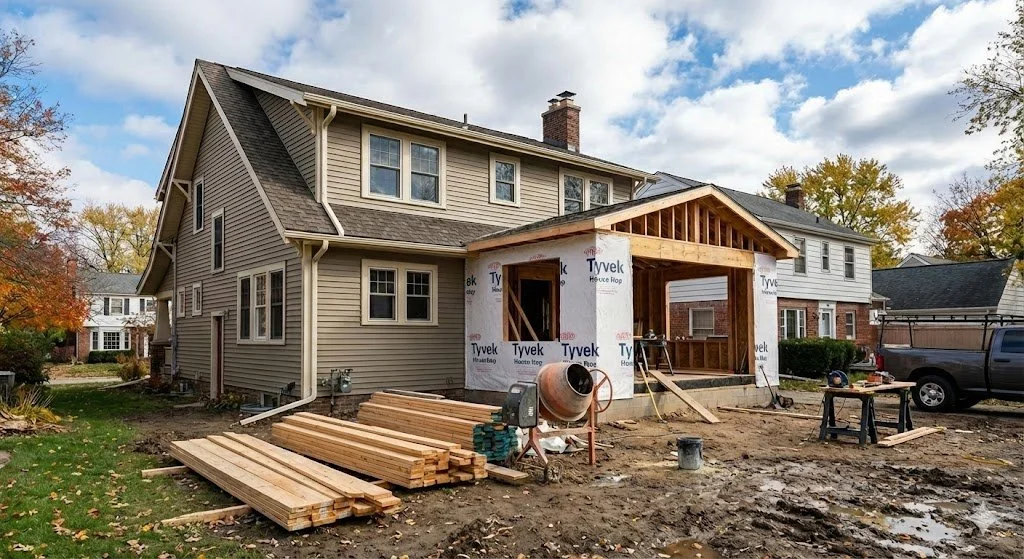
Thinking of a remodel?
Planning a home remodel or addition in Northern Michigan? Discover 6 crucial things to consider before you start, from budgets to building permits.
Remodeling your home can be a super exciting adventure, breathing new life into your space and making it truly your own. It can also increase the value of your home. But before you dive headfirst into demolition and design, there are a few key things to really think about. As your trusted partners in construction and building repair, we’re here to help you navigate these waters smoothly.
Here are some top considerations to ponder before you kick off that remodel:
What's Your "Why"? This might sound simple, but understanding the core reason behind your remodel is crucial. Are you looking for more space, better functionality, a fresh aesthetic, or are you preparing to sell? Knowing your primary goal will help shape all your decisions, from layout to material choices.
Budget, Budget, Budget! Let's be real, remodeling can get pricey. Before anything else, establish a realistic budget. This isn't just about the big-ticket items; remember to factor in things like permits, potential unforeseen issues (because old houses love surprises!), and even a little buffer for those "must-have" upgrades you discover along the way.
Permits and Regulations: This is a big one that often gets overlooked. Depending on the scope of your remodel and your local municipality, you'll likely need permits. Skipping this step can lead to big headaches, fines, and even having to undo work. We can help guide you through the permitting process.
Timing is Everything: How soon do you need this done? Consider the best time of year for your project, especially if it involves exterior work. Also, think about how the remodel will impact your daily life. Will you need to move out temporarily? How will dust and noise affect your family? Planning ahead can minimize disruption.
Functionality vs. Aesthetics: Of course, you want your remodeled space to look amazing, but it also needs to work for you. Think about how you use the space day-to-day. Do you need more storage in the kitchen? A more accessible bathroom? Balance those beautiful design elements with practical solutions that enhance your living.
Future-Proofing Your Home: While you're making changes, consider improvements that will serve you well down the line. This could mean energy-efficient windows, smart home technology, or design choices that accommodate aging in place. A little foresight now can save a lot of hassle (and money!) later.
Remodeling is a significant investment, and taking the time to consider these points will set you up for a successful and satisfying transformation. We’re always here to chat through your ideas and help you turn your vision into a reality.

How to choose a good builder
Hiring a contractor in Northern Michigan? Learn how to choose a good builder, spot red flags, and verify credentials with Traverse City Building Repair.
Choosing a home repair company can feel like a high-stakes gamble. Whether you're fixing a leaky roof or planning a full-scale renovation, the contractor you hire will be in your private space, handling your most valuable asset.
To help you navigate this process, here is a comprehensive guide on how to choose the best local home building repair company.
1. Start with Local Referrals
While a Google search is a great starting point, the most reliable information often comes from your own community.
Ask Neighbors: If you see a repair van in a neighbor’s driveway, ask about their experience. Local companies rely heavily on their reputation within a specific radius.
Visit Local Supply Stores: Stop by a local lumberyard or hardware store. The employees there often know which contractors pay their bills on time and which ones consistently buy high-quality materials.
2. Verify Credentials and Insurance
Never take a contractor's word at face value. A "handyman" and a "licensed contractor" are not the same thing, and the difference matters for your liability.
Verify Licenses: Check with your state or local licensing board to ensure their license is active and covers the specific type of work you need.
Confirm Insurance: Ask for a Certificate of Insurance (COI). It should include both general liability and workers' compensation. Without workers' comp, you could be held liable if a worker is injured on your property.
Look for Certifications: High-quality contractors often have manufacturer designations (like being a certified installer for specific roofing or window brands), which shows they’ve undergone specialized training.
3. The "Rule of Three" for Estimates
Always get at least three written estimates to establish a baseline for the project’s cost.
Beware the Low-Ball Bid: If one estimate is significantly lower than the others, it’s a major red flag. They may be using inferior materials, skipping permits, or planning to hit you with "unforeseen" costs later.
4. Ask the Right Interview Questions
Before signing anything, have a face-to-face meeting (or a detailed phone call) and ask:
"How many other projects are you managing right now?" You want someone who is busy (a sign of quality) but not so overstretched that your project will languish.
"Who will be on-site every day?" Will it be the owner, a foreman, or a rotating crew of subcontractors?
"What is your process for change orders?" Unexpected issues happen. You need to know how they will document and price any changes to the original scope of work.
5. Check Recent References
A reputable company should have no problem providing a list of at least 3–5 recent clients. When you call them, don't just ask if they liked the finished product. Ask:
Did the crew show up on time?
Did they keep the job site clean?
Was the final price what was originally quoted?
The "Golden Question": "Would you hire them again?"
6. Spot the Red Flags
Trust your gut. If a contractor exhibits any of the following, move on:
Pressure Tactics: Offering a "special price" that is only good if you sign today.
Large Upfront Deposits: It is standard to pay a deposit (usually 10% to 33%), but never pay the full amount upfront.
Avoiding Permits: If they ask you to pull the permits yourself or say permits aren't necessary for a major job, they are likely trying to avoid inspections.
Final Thought
The best contractor isn't always the one with the flashiest website or the lowest price. It's the one who communicates clearly, respects your home, and stands behind their work with a solid warranty. Traverse City building repair wants to be the first name on your lips when a friend or family member asks for your recommendation.